Key Takeaways
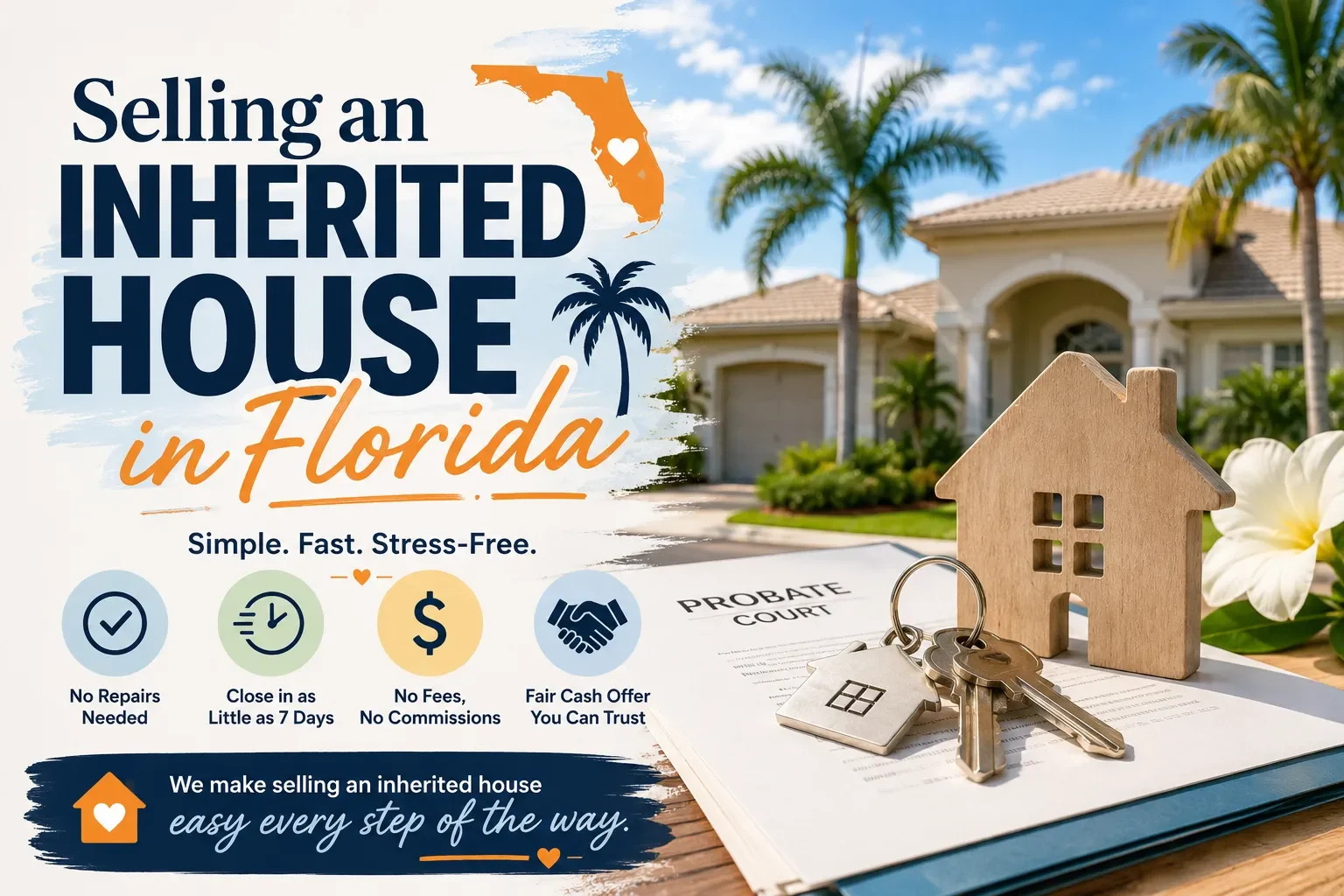
Selling an inherited house in Florida is often straightforward once you understand how the property was inherited. Whether probate is required, how the home is titled, and whether there are multiple heirs involved will determine how quickly the property can be sold. Understanding your options early can help avoid delays, reduce costs, and make the process much easier.
You can sell an inherited house in Florida. In many cases, inherited property can be sold once ownership is legally transferred to the heirs or beneficiaries. Some homes can be sold immediately, while others must first complete the probate process.
Not every inherited home has to go through probate. Properties held in a living trust, transferred through a Lady Bird Deed, or owned jointly with rights of survivorship may avoid probate altogether, allowing for a faster sale.
Inherited homes can be sold as-is. Many beneficiaries choose to sell without making repairs, cleaning out decades of belongings, or updating an older home, helping them settle the estate more quickly and avoid additional expenses.
Request your cash offer!
Timeframe: After you tell us a bit about your home, we will get to work creating a customized offer.
If you choose to accept, we are able to close as quickly as 7 days! Of course, if you need longer, we will always work on your schedule.
"*" indicates required fields
Selling Inherited Property in Florida
Inheriting a house can be both a valuable opportunity and a significant responsibility.
While some inherited homes are move-in ready and easy to manage, many come with unexpected challenges. You may need to deal with deferred maintenance, an existing mortgage, unpaid property taxes, rising insurance costs, probate, or coordinating decisions with multiple heirs.
One of the first questions many beneficiaries ask is, “Can I sell an inherited house right away?” The answer depends on several factors, including how the property was titled, whether probate is required, and who legally inherited the home.
Understanding how Florida’s inheritance and probate process works can help you avoid unnecessary delays, protect your interests, and make selling the property as smooth and stress-free as possible..
Can You Sell an Inherited House in Florida?
Yes. In many cases, you can sell an inherited house in Florida, but the property must first be legally transferred to the rightful heir or beneficiary before the sale can be completed.
Some inherited homes can be sold relatively quickly because ownership automatically transfers to a surviving owner or named beneficiary. In other situations, the estate must go through the Florida probate process before the personal representative has the legal authority to sell the property.
Whether probate is required depends largely on how the home was titled before the owner’s death. Understanding how ownership was held is one of the first and most important steps in determining when and how the property can be sold.
Does an Inherited House Have to Go Through Probate?
Not always.
Whether an inherited house must go through probate depends on how the property was owned before the owner’s death and whether there was an estate planning tool in place.
Some Florida homes can be transferred directly to a surviving owner or named beneficiary without going through probate. In other cases, the estate must complete the probate process before the property can legally be sold.
Understanding how the home is titled is the key to determining whether probate is required and how quickly you can move forward with selling the inherited property.
Property Owned With Rights of Survivorship
If a property was jointly owned with rights of survivorship, ownership typically transfers automatically to the surviving owner when the other owner passes away. Because the property passes outside of the probate estate, probate is generally not required before the surviving owner can sell the home.
Property Held in a Trust
Homes held in a living trust can usually be transferred without going through probate. Instead, the successor trustee manages the property according to the instructions outlined in the trust and may have the authority to sell the home if permitted by the trust documents.
Transfer on Death and Enhanced Life Estate Deeds
Florida recognizes Enhanced Life Estate Deeds, commonly known as Lady Bird Deeds, which allow real estate to pass directly to a named beneficiary upon the owner’s death. Because ownership transfers automatically, the property can often avoid probate altogether.
Property Owned Solely by the Deceased
If the deceased was the sole owner of the property, probate is often required before the home can be sold. During probate, the court appoints a personal representative to administer the estate. Once authorized by the court, the personal representative can manage the property and, when appropriate, complete the sale on behalf of the estate.
How Probate Affects the Sale of an Inherited House
Probate is the legal procedure that is followed in order to resolve the estate of a deceased individual.
The court supervises the payment of debts, the identification of heirs, and the distribution of assets.
If it is necessary to open a probate proceeding, the house generally cannot be sold until the personal representative has legal authority to do so.
This depends on the complexity of the estate.
Some probates can be dealt with in just a few months; others may take longer if there are disagreements or other assets to deal with.
What Happens If Multiple Heirs Inherit the Property?
Many of the houses that are inherited have multiple beneficiaries.
If there are multiple heirs of a property, each will be a co-owner unless there are other plans in place.
This can pose problems if the heirs have conflicting objectives.
One of the beneficiaries may wish to retain ownership of the property for rental use. Another might wish to relocate to the home. Others may just be looking to get their cut of the sale.
Normally, heirs have to come up with a plan as to how to proceed before the property can be sold.
If any disagreement arises and cannot be sorted out, then legal action might be required.
Common Challenges With Inherited Properties
You may inherit more than just property when you receive a home as an inheritance.
Numerous beneficiaries end up having problems that need immediate attention.
Deferred Maintenance
Many times, heirloom properties require fixing or updating.
Older Florida homes might have an aging roof, dated electrical wiring, plumbing problems, damage caused by hurricanes or termites, or water intrusion.
Property Insurance
Over the last several years, home insurance in Florida has risen tremendously.
Many beneficiaries are taken aback by the expense of keeping the insurance coverage on a property that has no one living in it.
Property Taxes and Carrying Costs
Even if the home sits vacant, expenses continue.
These costs may include:
- Property taxes
- Insurance premiums
- Utility bills
- Lawn maintenance
- HOA fees
- Mortgage payments
These costs can accumulate the longer the property isn’t sold.
Clearing Out Personal Belongings
One of the most challenging issues involved with inheriting a house can be sorting out decades of belongings.
Many families take weeks or months to make decisions about what to keep, donate, sell, or throw away.
Can You Sell an Inherited House Before Probate Is Complete?
Sometimes. In certain situations, an inherited property can be listed for sale or placed under contract before probate is fully completed. However, the transaction typically cannot close until the court has granted the personal representative the legal authority to sell the property.
Because every estate is different, the specific rules and timeline will depend on the circumstances of the estate and the type of probate involved. If you’re unsure, it’s important to work with a probate attorney or real estate professional familiar with Florida probate laws before moving forward with the sale.
What Taxes Do You Pay When Selling an Inherited House in Florida?
A big question on beneficiaries’ minds is what will happen to them after they sell an inherited home, and if they will have a hefty tax bill.
Florida Does Not Have a State Inheritance Tax
There is no state inheritance tax for beneficiaries in Florida.
Normally, the Florida inheritance tax does not apply to a property that is inherited.
Understanding the Step-Up in Basis
The greatest tax advantage of inherited real estate is the stepped-up basis.
In many cases, the tax basis of the property is adjusted to the property’s fair market value at the time of the owner’s death.
This can lower the potential capital gains tax if the property is sold in the short term after it is inherited.
Another issue with tax situations is that they vary, so beneficiaries should check with a qualified CPA or tax professional about their situation.
Should You Repair an Inherited House Before Selling?
It depends on the property, the market, and your objectives.
Before a home is listed, it may receive cosmetic improvements if the property was inherited.
Others are in need of a lot of maintenance, which may not be worthwhile for the beneficiaries.
Some of the common problems that will be discovered in inherited Florida homes are:
- Roof problems
- Mold concerns
- Water damage
- Outdated kitchens and bathrooms
- Old flooring
- Hurricane damage
- Electrical issues
- Plumbing problems
Many beneficiaries seek second, third, and fourth opinions on value and potential ROI before spending significant amounts of money on repairs.
Options for Selling an Inherited House in Florida
There are a number of options for beneficiaries.
List the Property With a Real Estate Agent
In most cases, a traditional listing can maximize the potential sale price, especially if the house is in good shape and you’re not in a rush to sell.
This choice may involve arranging for cleaning, repairs, showings, inspections, and financing approvals by the buyer.
Sell the Property As-Is
There are many inherited homes that are sold ‘as is’.
This can make for easier onboarding and lower out-of-pocket expenses.
Sell to a Cash Home Buyer
Some beneficiaries opt to go the direct sale route to sidestep the process of repairs, cleanouts, open houses, and protracted closing times.
Cash sales can be a consideration in estates where a lot of work needs to be done, where the heirs are out of state, or where the estate would like to be settled right away.
Steps to Selling an Inherited House in Florida
Selling an inherited property is often more than simply finding a buyer. Following the right steps can help you avoid delays, resolve legal issues, and make the process as smooth as possible.
Step 1: Determine How the Property Is Titled
The first step is to determine how ownership of the home was held. Whether the property was jointly owned, placed in a trust, transferred through a Lady Bird Deed, or owned solely by the deceased will determine whether probate is required.
Step 2: Open Probate if Necessary
If the property must go through probate, work with a Florida probate attorney to begin the process. The court will appoint a personal representative who will have the legal authority to manage and, if appropriate, sell the property.
Step 3: Verify Ownership and Outstanding Debts
Review the property’s title and identify any financial obligations, including mortgages, liens, unpaid property taxes, HOA balances, or other claims that may need to be resolved before closing.
Step 4: Determine the Home’s Market Value
Obtain a professional valuation or comparative market analysis to understand what the property is worth. Knowing its current market value will help you make informed decisions about pricing and selling options.
Step 5: Decide Whether to Make Repairs
Evaluate whether making repairs or updates is likely to increase your net proceeds. In some cases, selling the home as-is may be the more practical and cost-effective option.
Step 6: Choose the Best Way to Sell
Once you’re ready, decide whether selling through a real estate agent or directly to a cash home buyer best fits your goals, timeline, and the condition of the property.
Final Thoughts
While an inherited house can be a chance for opportunities, it can also bring legal, financial, and emotional challenges.
Probate may or may not be required, the property may have many repairs to be done to it, it may have years of belongings in it, or there may be multiple heirs involved, but knowing the process early can help eliminate delays and avoid unnecessary costs.
For many families, the sale of the property is a sensible approach to the estate, equity, and getting on with their lives. It depends on the situation of the home, the objectives of the beneficiaries, and the time frame.
Get Your Cash Offer Today!
Selling your house fast in Florida doesn’t have to be complicated. At Florida House Buyers Direct, we provide fair, no-obligation cash offers for homes in any condition. There are no repairs, no commissions, no hidden fees, and no obligation to sell. Simply complete the short form below to request your free cash offer. If you’d rather speak with someone first or have questions about the process, call us at (813) 816-0217. Our team is here to answer your questions and help you explore your options – without any pressure.
Skip the Hassle of Traditional Listings
Get A Cash Offer For Your House
"*" indicates required fields
We buy houses throughout Florida in any condition, as-is. No repairs, no renovations, no hassles, just a fair cash offer and a simple sale.
Don’t spend a dime on repairs. We’ll handle everything after closing!
Frequently Asked Questions
Can siblings sell an inherited house in Florida?
Yes. Siblings can sell an inherited house in Florida if they all have the legal authority to do so and agree to the sale. If one or more heirs disagree, the sale may be delayed until an agreement is reached or a court orders how the property should be handled.
Can you sell inherited property without probate?
Yes, in some cases. An inherited property may be sold without probate if ownership transfers automatically through a living trust, a Lady Bird Deed (Enhanced Life Estate Deed), or joint ownership with rights of survivorship. If the property was owned solely by the deceased, probate is often required before it can be sold.
Do you pay capital gains tax on inherited property?
Possibly. Inherited property generally receives a step-up in basis, meaning its tax basis is adjusted to the property’s fair market value on the date of the owner’s death. This often reduces the amount of capital gains tax owed if the home is sold shortly after it is inherited.
What happens if there is a mortgage on the inherited house?
A mortgage does not disappear when the homeowner passes away. The loan remains attached to the property and typically must be paid through the estate, assumed by the beneficiary if applicable, or paid off when the home is sold.
How long does probate take in Florida?
The probate process in Florida varies depending on the complexity of the estate. Straightforward estates may be completed in a few months, while estates involving creditor claims, multiple heirs, or legal disputes can take a year or longer to resolve.
